Start with the repair question
A stain, missing shingle, or flashing defect is a reason to investigate. It does not establish that the entire roof needs replacement. For a McKinney homeowner, the useful question is whether the cause can be identified and corrected within a defined area while the surrounding roofing remains serviceable.
This guide explains what to document, what a repair proposal should describe, and which findings call for a broader assessment. It does not diagnose a particular home or promise a price, completion time, warranty term, or insurance outcome.
Separate the visible symptom from the entry point
Water may travel along decking, framing, or other materials before appearing inside. The location of a ceiling stain therefore helps an inspection but does not, by itself, identify the exterior opening. A repair aimed only at the visible mark can leave an uphill flashing or penetration problem unresolved.
Record the room and position of each stain, when it appeared, and whether it changes during rain. Keep earlier repair invoices and dated photographs together. Photographs from the ground and safe interior observations give the inspector context without asking you to walk a damaged roof.
- A displaced shingle or isolated damaged component: ask whether surrounding materials remain sound and a compatible repair can join them.
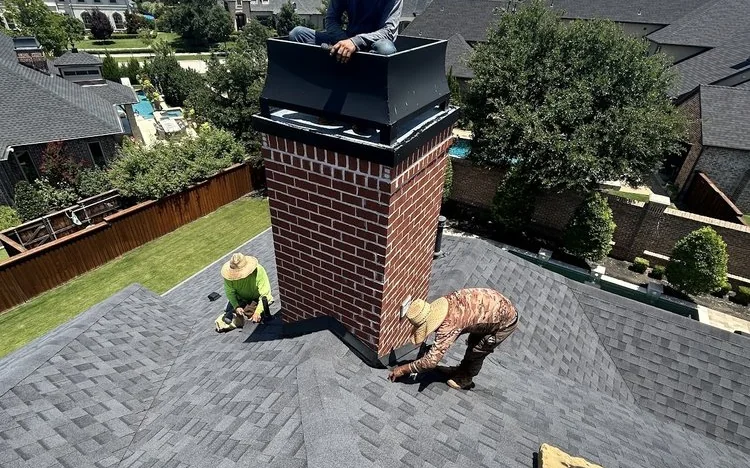
- A recurring leak near a wall, chimney, or penetration: ask how the proposed work addresses the water path and the connected flashing detail.
- Damage across several roof areas: ask for a condition assessment that explains why a limited repair would or would not be durable.
Define what a focused repair will solve
A useful repair scope identifies the affected roof plane, the component being corrected, and the boundary of the work. Replacing a few shingles, rebuilding a flashing transition, and repairing concealed decking are different tasks. The written explanation should connect the observed condition to the proposed work.
Material compatibility matters at the edge of a repair. Ask whether adjacent shingles or panels can remain in place, whether replacement materials are available, and how the new work will connect to existing underlayment and flashing. A surface sealant alone may not resolve a failed underlying detail.
If opening the roof reveals more damage, the contractor should document it and explain any proposed change before proceeding with additional work. A quote can identify that uncertainty without presenting unobserved damage as an established fact.
Compare repair quotes by included work
A headline price cannot show whether two proposals solve the same problem. Compare the scope before comparing totals:
- Location and cause: the roof area being repaired and the evidence supporting the diagnosis.
- Removal and replacement: materials to be removed, retained, and installed, including connected flashing or penetration details.
- Concealed conditions: how unexpected deck damage or hidden layers will be photographed, priced, and approved.
- Protection and closeout: property protection, debris removal, photographs, and any agreed check of the repaired area.
- Terms: exclusions, scheduling conditions, payment, and the actual written warranty offered for this repair.
Know when to revisit a limited scope
Several past repairs do not create an automatic replacement threshold. Their locations, causes, and results matter more than a fixed patch count. Likewise, roof age is context rather than a diagnosis. Ask whether the remaining material can support a durable repair and what unresolved condition would remain afterward.
When an inspection finds widespread wear, repeated failures in separate areas, or a connection that cannot be repaired reliably, request an explanation of the broader option. Compare what each approach resolves and leaves in place. A replacement recommendation should follow the documented roof condition, rather than a promise that every leak requires a new roof.
Plan safe access and a clear follow-up
Do not climb onto the roof to test a soft spot or locate a leak. Wet roofing, loose material, and uncertain decking make access a professional decision. If water is near electrical equipment or a ceiling is sagging, keep clear and seek qualified help from a safe location.
Weather, access, material availability, and the work actually required affect scheduling. Ask the contractor to distinguish temporary protection from the permanent repair and to explain the conditions for returning. Keep the agreed scope, change records, photographs, and warranty paperwork after the work is complete.
Request a McKinney roof inspection
Share the location of the concern and any dated photographs or earlier repair records. Inspection scheduling depends on conditions and availability.
Related resources
- Roof repair services — review the service overview before discussing a particular repair.
- Frame Restoration in McKinney — find the existing local service information.
McKinney roof repair questions
Can a roof leak be repaired without replacing the whole roof?
A focused repair may be suitable when the cause and affected area can be identified, nearby material remains serviceable, and the new work can connect reliably to the existing roof. A stain alone cannot establish those conditions.
What should I ask before accepting a repair price?
Ask which roof area and components are included, what evidence supports the proposed repair, and how concealed conditions would be documented and approved. Compare exclusions, cleanup, scheduling conditions, and written warranty terms along with the total.
Does a roof repair inspection determine insurance coverage?
Frame Restoration documents observed roof conditions and prepares a written construction scope your carrier can review. The carrier determines coverage. We document, we don't adjust — regulated adjusting work stays with properly authorized professionals.
How will I know what the finished repair covered?
Keep the written scope, approved changes, photographs, and any agreed inspection or follow-up record. Ask which area was repaired and which existing conditions were outside the scope, so a future concern can be compared with the actual work.