
Start a record while the sequence is still clear
After hail or wind affects a McKinney property, a useful record shows what happened without filling gaps with guesses. Note when you noticed a problem, which part of the home it affected and whether it changed during later rain. Save original photographs with their dates where available.
Safety comes before documentation. Stay away from downed lines, unstable debris and water near electrical equipment. Do not climb a wet or damaged roof to collect proof. If water is entering, arrange an assessment of temporary protection while keeping the permanent repair decision separate.
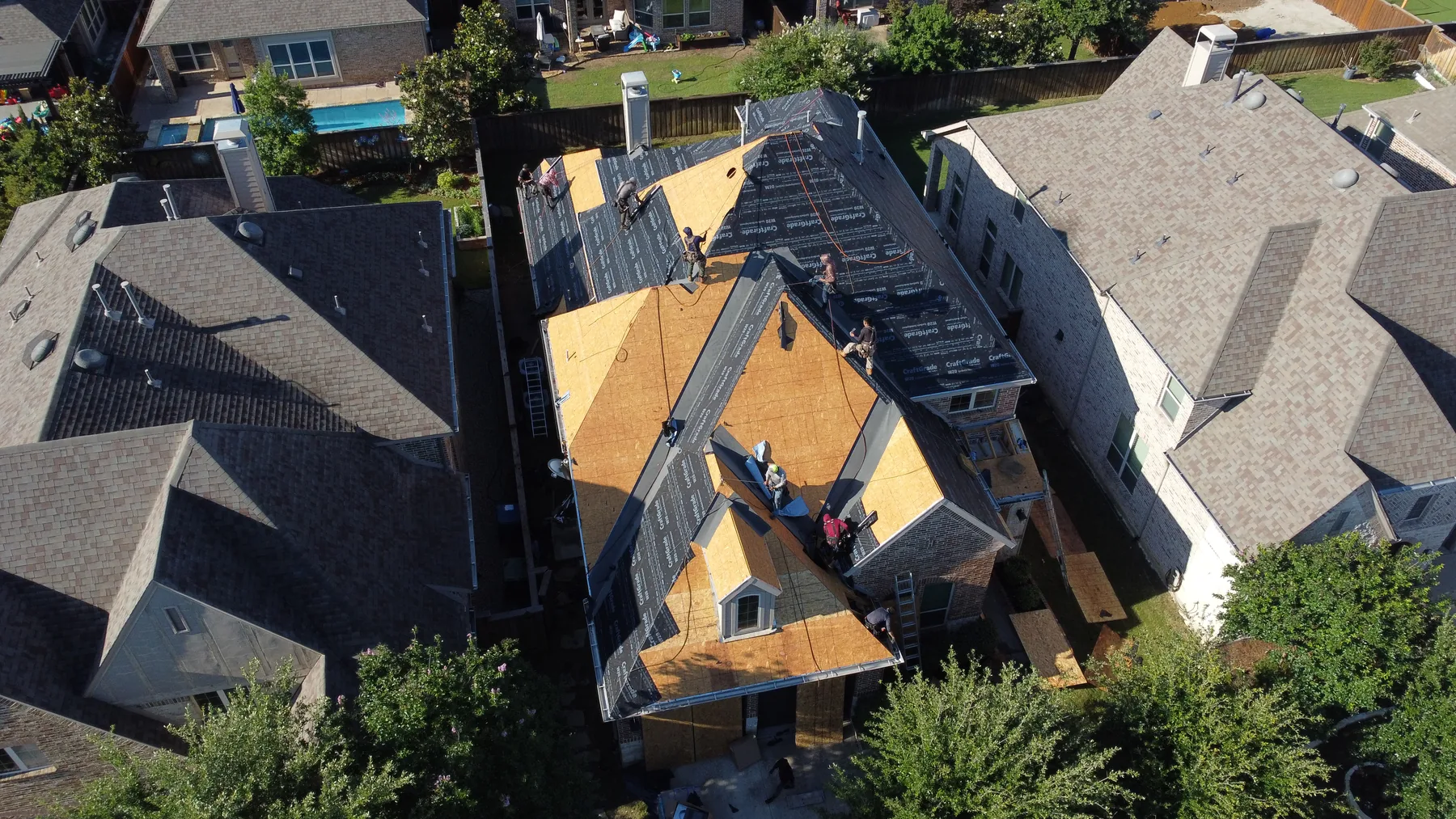
Distinguish the event from the roof condition
A weather alert, yard hail photograph or report from a nearby property provides context. It does not show the condition of every component on your roof. Similarly, a dent or stain is an observation that needs interpretation; it is not by itself a complete diagnosis.
Describe what you can see in ordinary terms: a newly noticed stain, a displaced piece of roofing visible from the ground, or debris on the property. Avoid assigning a cause that has not been checked. This helps the inspector assess the evidence without turning your initial description into a conclusion.
Add the roof's earlier history
Gather any earlier inspection reports, installation information, repair invoices and photographs you already have. Note the location of previous leaks or repairs. Existing records can help distinguish a new concern from a condition that was already being monitored.
If a date or repair detail is unknown, mark it as unknown. An approximate memory can still be useful when identified as such. You do not need to invent an exact roof age or recreate a missing invoice to ask for an inspection.
- Separate photographs taken before the event from those taken afterward.
- Identify the room or exterior area shown, rather than leaving a folder of unlabeled closeups.
- Keep any temporary-protection invoice and describe which area it covered.
Ask the inspection to explain its findings
Request a written account that connects photographs to identifiable roof areas. It should distinguish visible damage, existing wear, inaccessible areas and matters needing further examination. Ask what supports a proposed cause and what remains uncertain.
Hail and wind can affect different components and areas. The inspection should explain the actual findings rather than assume that every slope needs identical work. An older roof may need a broader condition assessment, but age alone does not establish that a particular storm caused a defect or that replacement is required.
Keep the construction proposal separate from the record
The report explains what was observed; the proposal explains work being recommended. Compare the two. Ask which findings a targeted repair would address, what would remain in place and why a broader replacement is being proposed if that is the recommendation.
Temporary tarping, permanent repair and full replacement solve different needs. Label them separately in your records so a short-term protective measure is not mistaken for completed restoration. Keep any agreed change attached to the scope it changes.
Understand who decides coverage
Frame Restoration documents the observed roof conditions and prepares a written construction scope your carrier can review. The carrier determines coverage. We document, we don't adjust — regulated adjusting work stays with properly authorized professionals.
A clear file helps preserve the sequence of observations and work. It does not guarantee a claim outcome, establish a filing deadline or replace the terms of a policy. Direct coverage questions to the carrier or an appropriately authorized professional and keep their response with the separate insurance correspondence.
Discuss your McKinney roof concern
Share the concern and any records you already have. Inspection scheduling depends on conditions and availability.
Related resources
- Storm and Hail Damage Repair service overview — full Frame Restoration Storm and Hail Damage Repair service page with process, materials, and FAQ.
- roofing contractor services in McKinney — every service we offer in McKinney on one page.
McKinney questions about this guide
What if I do not know exactly when the roof was damaged?
Record when you first noticed the concern and label any uncertain dates as estimates. Keep earlier photos and repair records. Do not assign a precise cause or event date that the available evidence cannot establish.
Does hail in the yard prove the roof needs replacement?
No. It provides context for an inspection. The roof condition, affected components, extent of damage and feasibility of a durable repair must be assessed before selecting a construction scope.
Should temporary protection be included in the same record?
Keep its photographs, dates and invoice, but identify it as temporary work and name the area covered. Its completion does not establish that the permanent repair is finished.
Does a contractor report decide insurance coverage?
Frame documents observed roof conditions and prepares a written construction scope. The carrier determines coverage; the report should not promise approval or a particular claim outcome.